


Media & Press Center
- August 26, 2018
Article: "The House That Gomez Built" (Joanne Palmer/JewishStandard)."
- October 24, 2016
Rabbi David Gelfand to receive 2016 Gomez Mill House Pioneer Award November 7.
- October 16, 2016
Jim Berkise, local historian. The Old Landing & the New York Wharf.
- October 9, 2016
Dr. Amy Loewenhaar-Blauweiss, historical sociologist. The Work of William Auerbach-Levy.
- September 11, 2016
Susan Lewis, Ph.D. Associate Professor of History, SUNY New Paltz. Women's Suffrage in New York State
- July 24, 2016
J. Stephen Casscles, author. A History of Fruit Growing in the Mid-Hudson Valley. Wine tasting, book signing.
- July 10, 2016
Lydia Adams Davis, Pat Lamanna & Susan Bozsó. Historical Ballads.
- June 26, 2016
Andrée Aelion Brooks, journalist and author. Emancipation And Emigration: The Story of the German Jews.
- September 27, 2015
Anne Gordon, Ulster County Historian. History of the Local Apple Orchard Industry.
- September 20, 2015
Jim Berkise, on Ferry and Turnpike Company connections to Gomez Mill House, Part 3.
- July 26, 2015
Ann Kalmbach on the Women's Studio Workshop's Seed to Sheet project.
- June 14, 2015
Myth or Fact? Dr. Abrahams speaks on GMH stories.
- May 31, 2015
Historic Ballads Performance.
- May 17, 2015
Alice Vaughn on Bookbinding and Mill Creek.
- May 15, 2015
20th Anniversary of NECSD 3rd Grade Social Studies Field Trip Program.
- September 21, 2014
Isadora Duncan International Institute Dancers Perform.
- September 14, 2014
Allyne Lange on The Golden Age of Hudson River Steamboats.
- September 7, 2014
Jim Berkise on historic Hudson River Ferry Operation.
- July 11, 2014
Author Andree Brooks at Mill House.
- July 6, 2014
Genie Abrams on The Jewish History of Newburgh, NY.
- June 19, 2014
Gomez Mill House Celebrates 300th Anniverary June 19-22.
- May 4, 2014
Diane Lapis on the Jewish History of Beacon, NY.
- August 25, 2013
Historian Mary McTamaney on Newburgh & GMH in the 1800s
- August 4, 2013
Andrée Aelion Brooks on Food in the History of the Jews
- July 21, 2013
James Berkise on historic Hudson River Ferry Operation
- June 23, 2013
Renowned artist Susan Dessel on her exhibit and process
- July 20, 2012
Mary Mctamaney And Richie Rosencrans Present Findings On Newburgh Revolutionary Leader, Civil Servant, And Entrepreneur: Wolvert Acker
- June 15, 2012
Chuck D'Imperio and 2012 Sunday at Mill House
- August 10, 2011
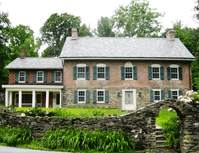
One of the best kept secrets in America along the Hudson River: Gomez Mill House
- July 25, 2011
(Flyer) Genealogist David Kleiman to speak at Gomez Mill House
- July 17, 2011
(Flyer) Award-winning poet and New York Times dance critic Jack Anderson at Gomez Mill House
- July 17, 2011
(Flyer) Genealogist David Kleiman and Historian Shelomo Alfassa at Gomez Mill House
- June 30, 2011
(Press Release) Award-winning poet and New York Times dance critic Jack Anderson at Gomez Mill House
- June 15, 2011
(Press Release) Politics And Petticoats: Exploring The Lives of The Early Feminine Radicals
- May 8, 2011
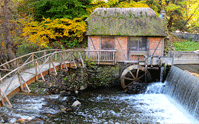
(Press Release) Iconic Dard Hunter Paper Mill Reopens to the public at Gomez Mill House
- May 6, 2011
(Press Release) New Gallery To Open At Historic Gomez Mill House
- Sept. 12, 2010
(News article) "Jewish contribution to US economy explored"
- August 23, 2010
(Press Release) Conference on Merchants Jews in the New World 1800-1900
- July 28, 2010
(Press Release) Pirates, Patriots, and Parnassim: The Relationships Between the Early American Jewish Merchants of the Caribbean Basin
- July 28, 2010
(Press Release) American Jewish Merchants & History of the Jewish Doctor
- July 10, 2010
(Press Release) Gomez Mill House Lecture Explores the History of the Jewish Doctor
- May 18, 2010
(Press Release) Lecture on Forced Converts Of The Spanish Inquisition To Be Held At The Historic Site Of Luis Gomez, American Colonial Jewish Pioneer, Descendant Of A Forcibly Converted Jewish Family

Home | About Us | Gallery G | Events | Donations | Membership | Visitors | Volunteers | Press | Contact Us | Directions | Privacy